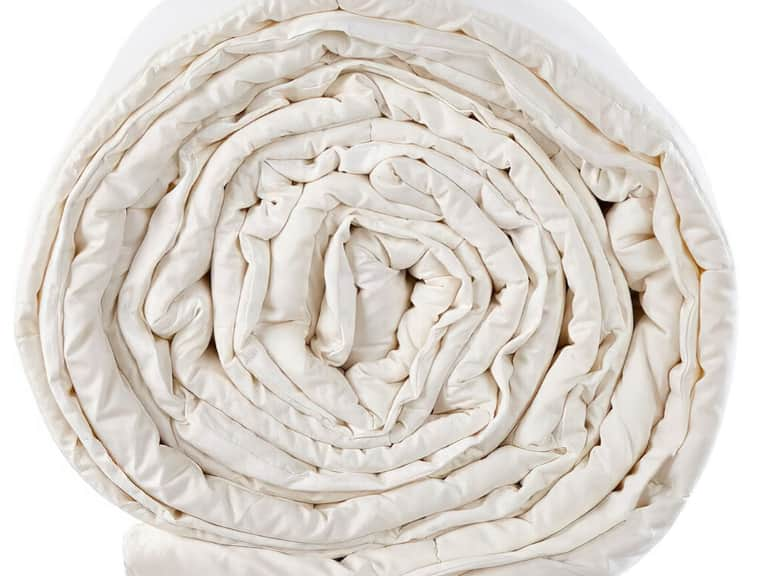
Comforters provide essential warmth and layered insulation for sleep environments, balancing warmth with breathability to support varied sleep preferences. In this category, materials such as down-alternative fills and cotton shells offer softness and loft, while synthetic blends can enhance durability and ease of care. Understanding fill power, weight, and warmth ratings helps match comforters to seasonal needs and personal comfort levels.
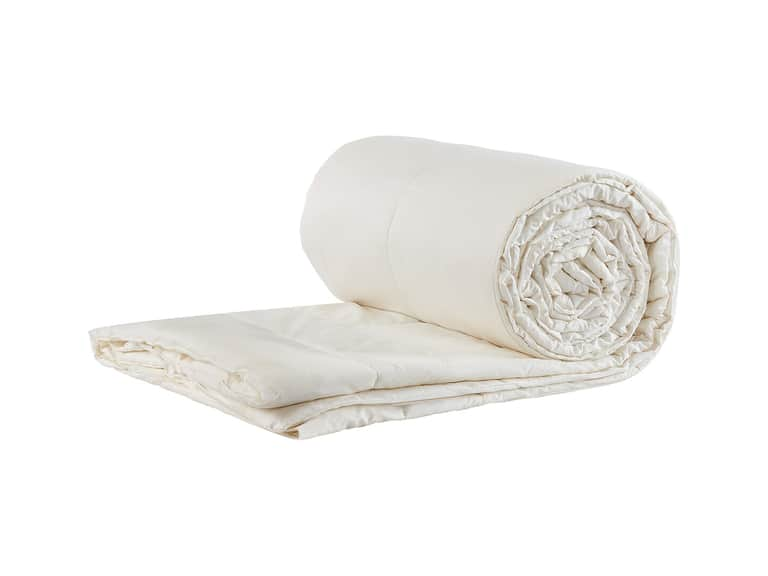
Key design considerations include warmth-to-weight ratio, stitching patterns that prevent fill shifting, and hypoallergenic options for sensitive users. The Sleep and Beyond myComforter and Sleep and Beyond myComforter Light exemplify different warmth profiles—one designed for cozy, substantial warmth, the other offering a lighter, breathable alternative—each supporting restful, undisturbed sleep.
Materials commonly used in comforters influence durability and care. Organic fibers and responsibly sourced fills reduce environmental impact, while latex and other novel fillings may offer enhanced resilience. When paired with compatible bedding and pillows, these features can contribute to overall sleep quality and comfort in adjustable bed setups that optimize body alignment.
Functional benefits extend beyond warmth to include moisture management, temperature regulation, and ease of maintenance. A well-chosen comforter can wick moisture, distribute heat evenly, and withstand regular washing without losing loft. This is particularly relevant for adjustable bed configurations, where different zones may require tailored comfort responses.
Product-specific notes show how design and materials translate to real-world usability. The Sleep and Beyond myComforter options illustrate varied fill densities and shell fabrics, while the Sleep and Beyond myComforter Light emphasizes a lower weight that still provides effective coziness. Understanding these distinctions aids in selecting bedding that complements organic mattresses and other bedding components.
 Bedding