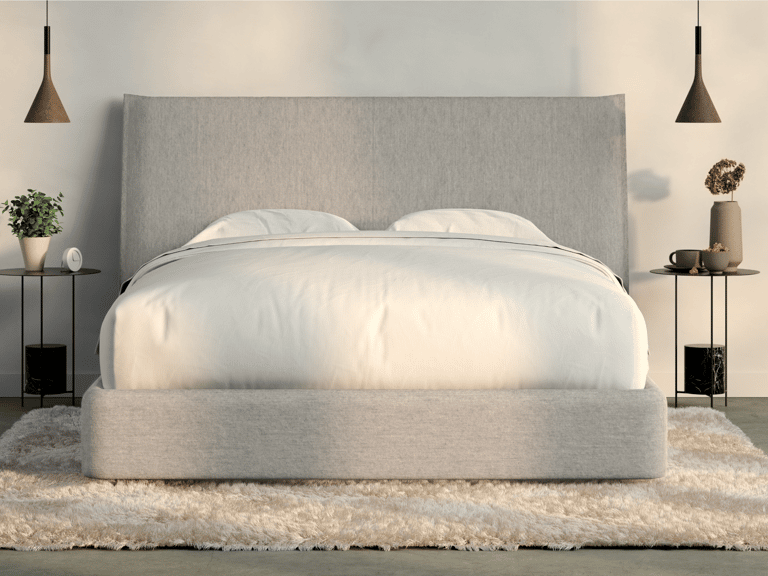
Haven Bed Frame
Sleep easy on a modern, sleek bed with felted wool comfort and a sturdy hardwood frame—no box spring needed, easy setup, and lasting support for a solid, relaxing night’s rest.
This comprehensive, editorial-style guide examines how organic mattresses influence spinal alignment, sleep quality, and compatibility with adjustable bed foundations. Rooted in the Direction A identity for adjustablebed.io, this article blends sleep science with practical guidance, drawing on trusted brands such as Naturepedic, Savvy Rest, and Sleep and Beyond to illuminate how materials, firmness, and design decisions impact back health.
In the evolving landscape of sleep ergonomics, the mattress forms the central axis around which comfort, recovery, and daily energy pivot. Organic mattresses—crafted with natural latex, cotton, wool, and other eco-conscious materials—offer a holistic path to better spine support, reduced chemical exposure, and enhanced temperature regulation. For readers navigating adjustable bed setups, the right mattress must not only cradle the body but also accommodate frequent positional changes without sacrificing core alignment. This guide traverses the key materials, firmness landscapes, and brand-specific insights that empower informed decisions when pairing an organic mattress with an adjustable foundation.
As we explore, we anchor our discussion in the three-pronged aim of comfort, support, and durability, while honoring the credibility of sleep science. The discussion also nods to the broader ecosystem of bedding—latex components, pillow choices, and organic covers—that together shape a cohesive sleep system.
Organic mattresses frequently emphasize latex, organic cotton, wool, and natural springs. Latex, particularly natural latex, is celebrated for its resilient and buoyant support. It maintains shape under varying angles—an essential quality when beds are elevating and tilting. ILD (Indentation Load Deflection) ratings help consumers gauge how firm or soft a latex layer feels, guiding decisions across different sleep positions. For back sleepers, a mid-range ILD often yields a balance of contouring and lift; for side sleepers, a slightly softer surface may reduce pressure points on shoulders and hips. When a mattress includes multiple firmness zones, the aim is to sustain even spinal alignment across the entire torso and legs, not just the back.
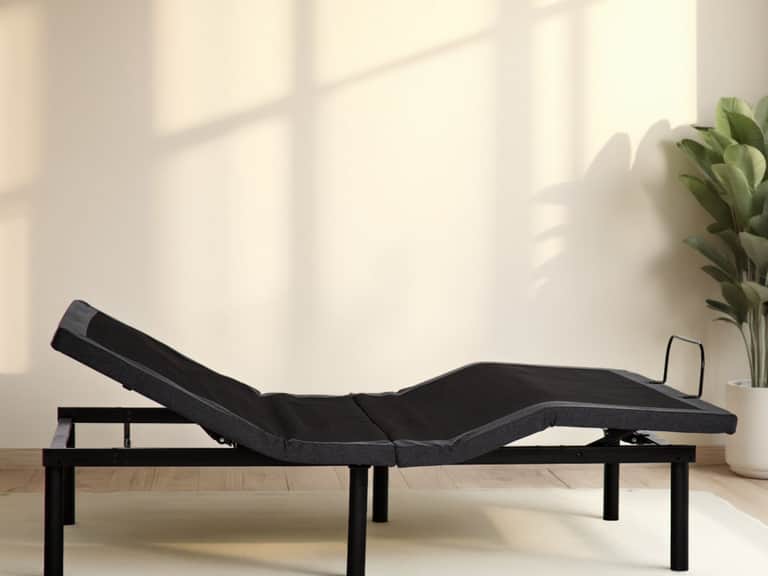
Organic cotton and wool layers contribute to breathability and temperature regulation, a factor that becomes particularly salient as an adjustable base changes elevation. Wool’s natural moisture-wicking properties help maintain a stable microclimate, while organic cotton provides a responsive, breathable cover that supports a clean, durable sleeping surface. For those with reflux or GERD, a slightly inclined position can be beneficial; the mattress should support that inclination without creating uncomfortable curvature or gaps. An organic latex core, when matched with a compatible cover, can deliver lasting lift and contouring that remains stable during head or foot elevation.
The modern sleep consumer often encounters a spectrum of firmness options within organic mattresses. A common approach is to employ a zoned system that sustains a neutral spine while accommodating varying limb positions. For example, a firmer lumbar support zone paired with a slightly softer shoulder region can help maintain spinal alignment in supine and back-lying positions, even as the adjustable foundation alters your geometry. For stomach sleepers, caution is advised: excessive firmness under the hips can create an excessive arch; many adjustables work best when paired with a medium-firm to slightly soft profile that prevents excessive pressure accumulation in the midsection.
Brand considerations matter, too. Naturepedic’s organic latex pillow indicates a broader philosophy that emphasizes breathable, adjustable lofts. Savvy Rest’s organic kapok pillows embody the tactile compatibility with natural materials, offering a sense of buoyant softness that works well with supportive latex cores. Sleep and Beyond’s wool-rich layers reflect a materials-forward approach to temperature regulation and pressure relief. While pillows play a role, the mattress remains the foundation of sustained spinal alignment across adjustable configurations, and the mattress’s ability to contour with varying elevations is a key determinant of ongoing comfort.
Naturepedic emphasizes organic materials and a transparent approach to firmness, cover materials, and resilience. The Naturepedic Organic Adjustable Latex Pillow vignette illustrates how latex can be combined with organic covers to deliver adjustable loft while maintaining hygiene and airflow. While pillows are a component, the philosophy translates into mattresses that balance contour with lift, ensuring compatibility with adjustable bases.
Savvy Rest leans into organic kapok and latex combinations. Kapok, a natural fiber, lends buoyant loft and breathable comfort. It is particularly well-suited for sleepers who desire adjustable loft without sacrificing long-term breathability and comfort. For back health, kapok’s gentle contouring can complement a mid-range firmness latex core to sustain spinal alignment across elevations.
Sleep and Beyond showcases wool-rich layers and organic comfort ecosystems. Their materials reflect a commitment to natural fibers that regulate temperature and resist dust mites—beneficial traits for allergy-conscious sleepers. In an adjustable bed context, wool layers can contribute to a stable surface that adapts to tilt and elevation without creating abrupt changes in support underneath the torso and limbs.
Case studies illuminate the real-world implications of mattress choice on back health and sleep comfort. Consider a mid-40s professional with chronic lower back stiffness who uses an adjustable base to elevate the head for reading and the feet for reduced venous pooling. A mattress with a zoned latex core and wool cover can maintain lumbar support while accommodating display-driven elevation changes. In another scenario, a person with GERD benefits from a slightly inclined position; a mattress with a responsive latex core can preserve spinal neutrality while the base adapts to a raised head position. The alignment of materials, core support, and cover warmth becomes a system-level solution rather than a single component decision.
For caregivers and aging-in-place contexts, choosing organic mattresses with robust edge support and durable cores can contribute to safer bed transitions and safer ingress/egress. The goal is to reduce the risk of misalignment or discomfort that could disrupt rest. When evaluating a mattress for compatibility with adjustable bed bases, consider how the core responds to flexion and extension, whether the cover remains breathable at varied elevations, and whether the overall system aligns with a patient’s therapeutic or ergonomics requirements.
While not a mattress scientist, Hippocrates advanced the understanding of the human body and posture, emphasizing equilibrium and balance as foundations of health. In the context of adjustable sleep environments, his legacy underscores the idea that the body thrives when it rests in alignment, a principle echoed in contemporary ergonomics as we consider how adjustable foundations shape spinal posture.
As a progenitor of methodical observation, Bacon’s insistence on experiential evidence resonates with modern, evidence-informed bedding choices. When selecting organic mattresses, readers should gather reputable sources, trial periods, and objective measurements—ensuring that comfort is grounded in observation and reproducible results rather than hype.
A pioneer of hospital design and sanitation, Nightingale’s emphasis on cleanliness and materials integrity informs today’s obsession with organic materials and breathable covers. The ethical dimension of choosing natural, low-toxicity fabrics aligns with the broader mission of Direction A: to promote sleep environments that support health without compromising environmental responsibility.

Felted wool upholstery and a sturdy frame provide durable support with a clean, modern look. This platform-style frame eliminates the need for a foundation or box spring, allowing a direct integration with organic mattresses for a minimalist sleep system.
Price: $1895.00
Note: The Haven Bed Frame is showcased here as a compatibility example with organic mattresses and adjustable bases. Always verify frame-mattress-base compatibility and support requirements for your specific setup.
Choosing an organic mattress that supports back health is not a solitary decision; it is the culmination of materials science, ergonomic insight, and compatible design with adjustable foundations. Latex cores, natural wool, and organic cotton covers represent a triad of benefits—contour, climate regulation, and long-term durability. When paired with an adjustable bed base, the mattress must respond gracefully to positional shifts, preserving alignment and comfort throughout the night. The brands highlighted in this guide—Naturepedic, Savvy Rest, Sleep and Beyond—offer tangible exemplars of how organic materials can function within a modern sleep system without sacrificing healthful living principles. As sleep science evolves, the core message remains clear: the best sleep occurs when comfort, support, and safety converge in a single, trusted system.
For readers seeking ongoing guidance, Direction A advocates an evidence-informed approach, drawing on credible research, expert input, and user-centered testing. The goal of adjustablebed.io is to illuminate practical pathways toward better sleep health—rooted in organic materials, ergonomic thinking, and thoughtful integration with smart, adjustable foundations.
Images displayed in this article are used to illustrate product concepts and brand examples. Availability and specifications may vary by region and retailer. This content is intended for educational purposes within the Direction A framework for adjustablebed.io.